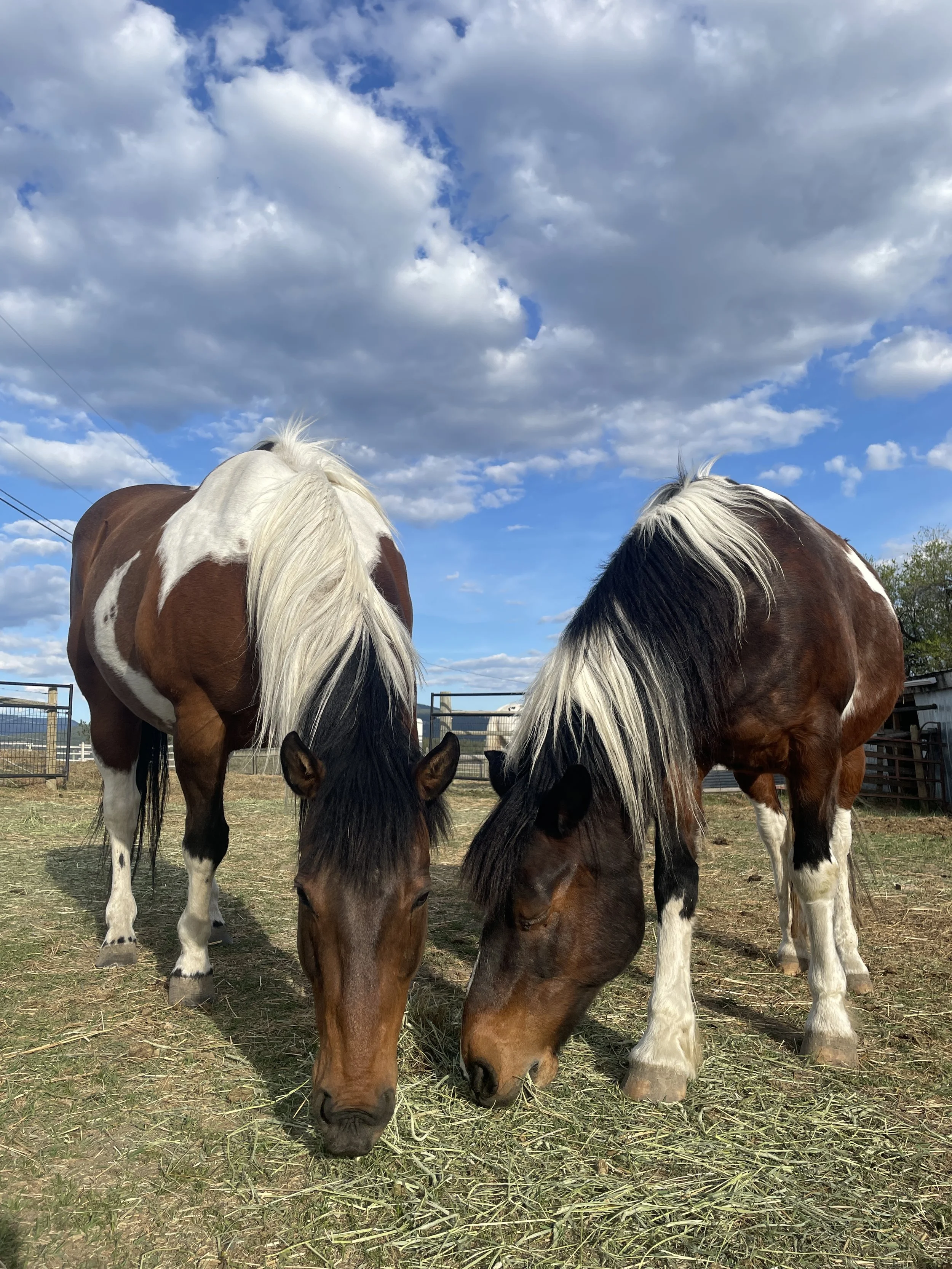
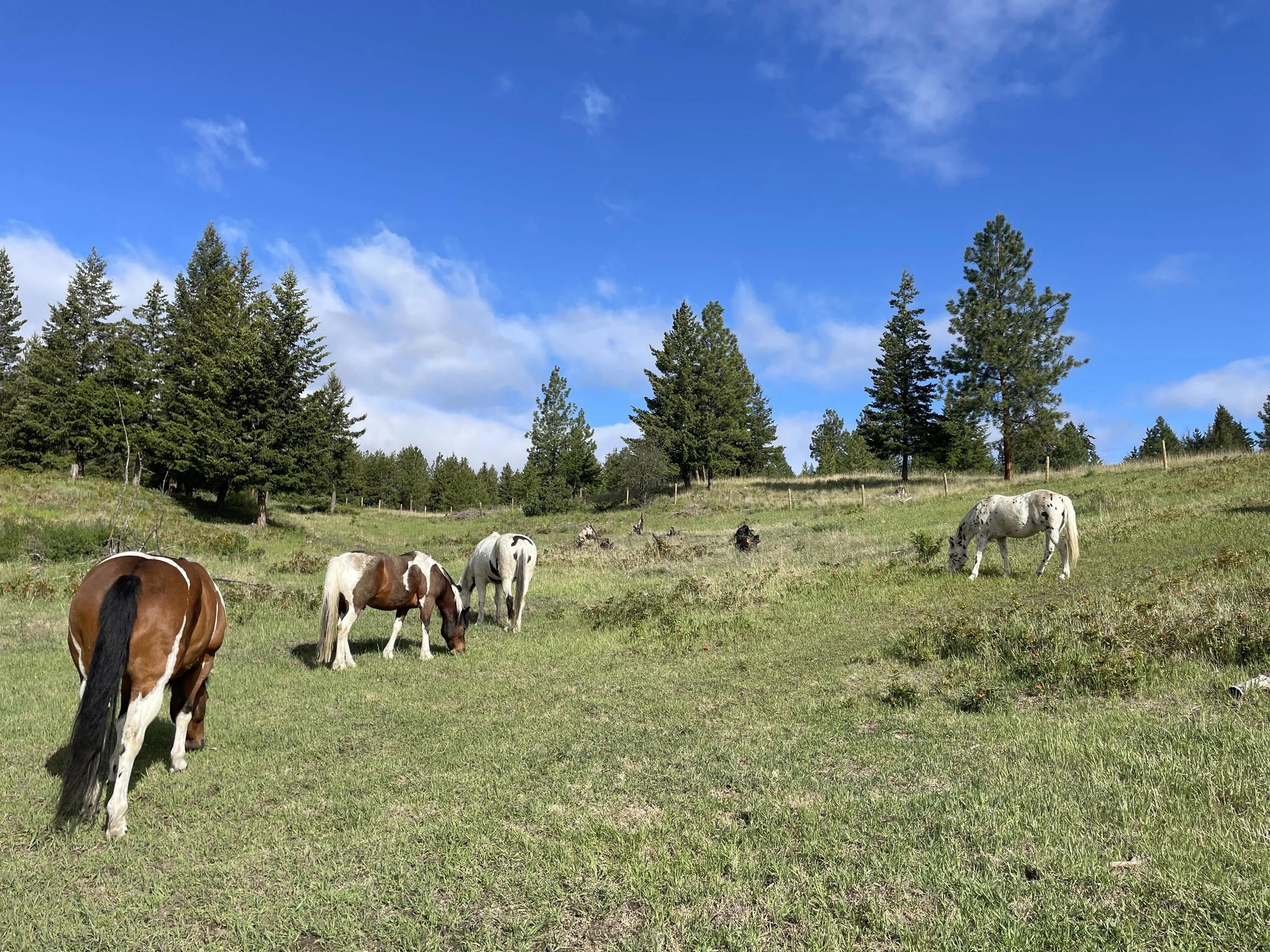
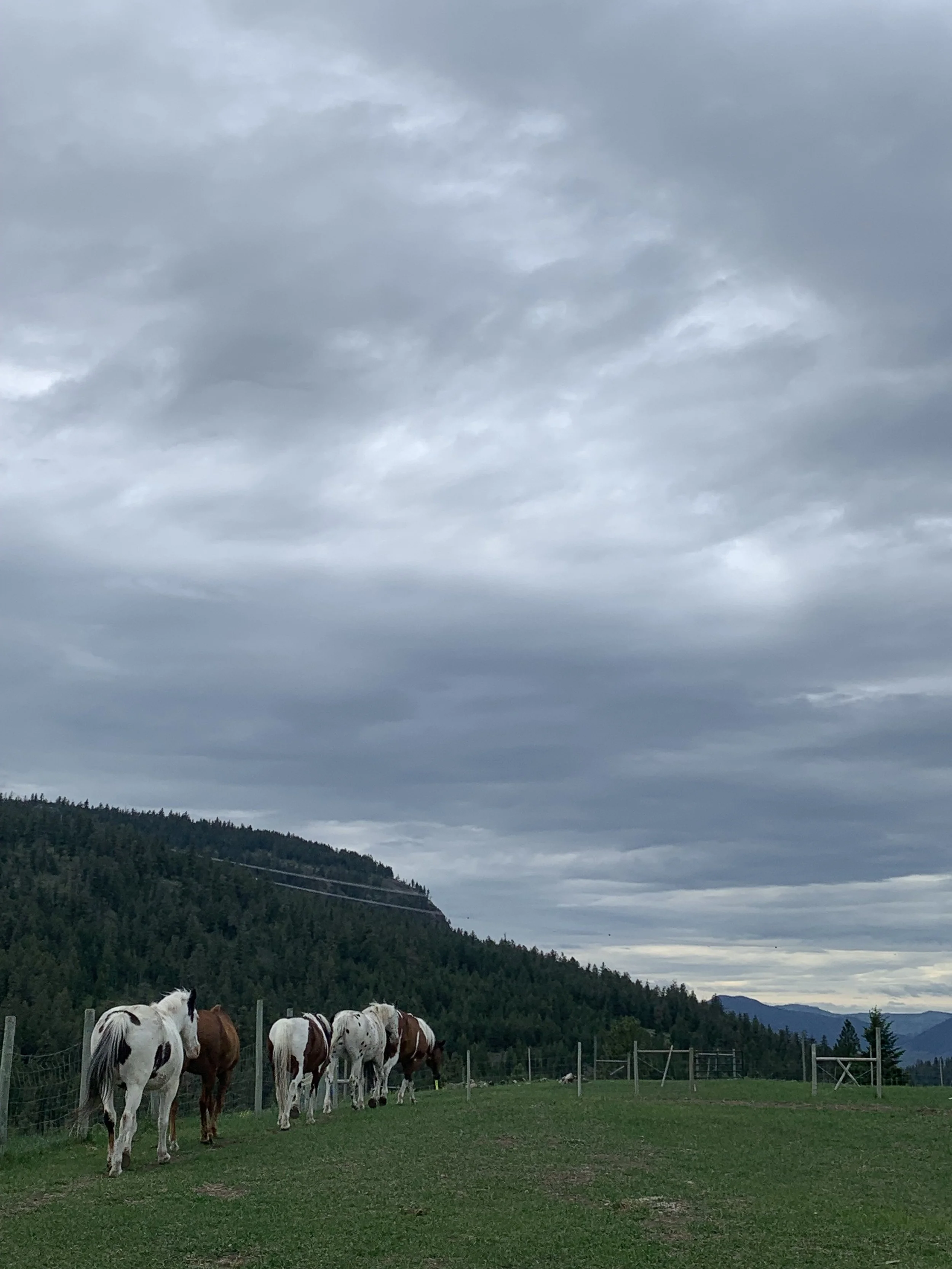
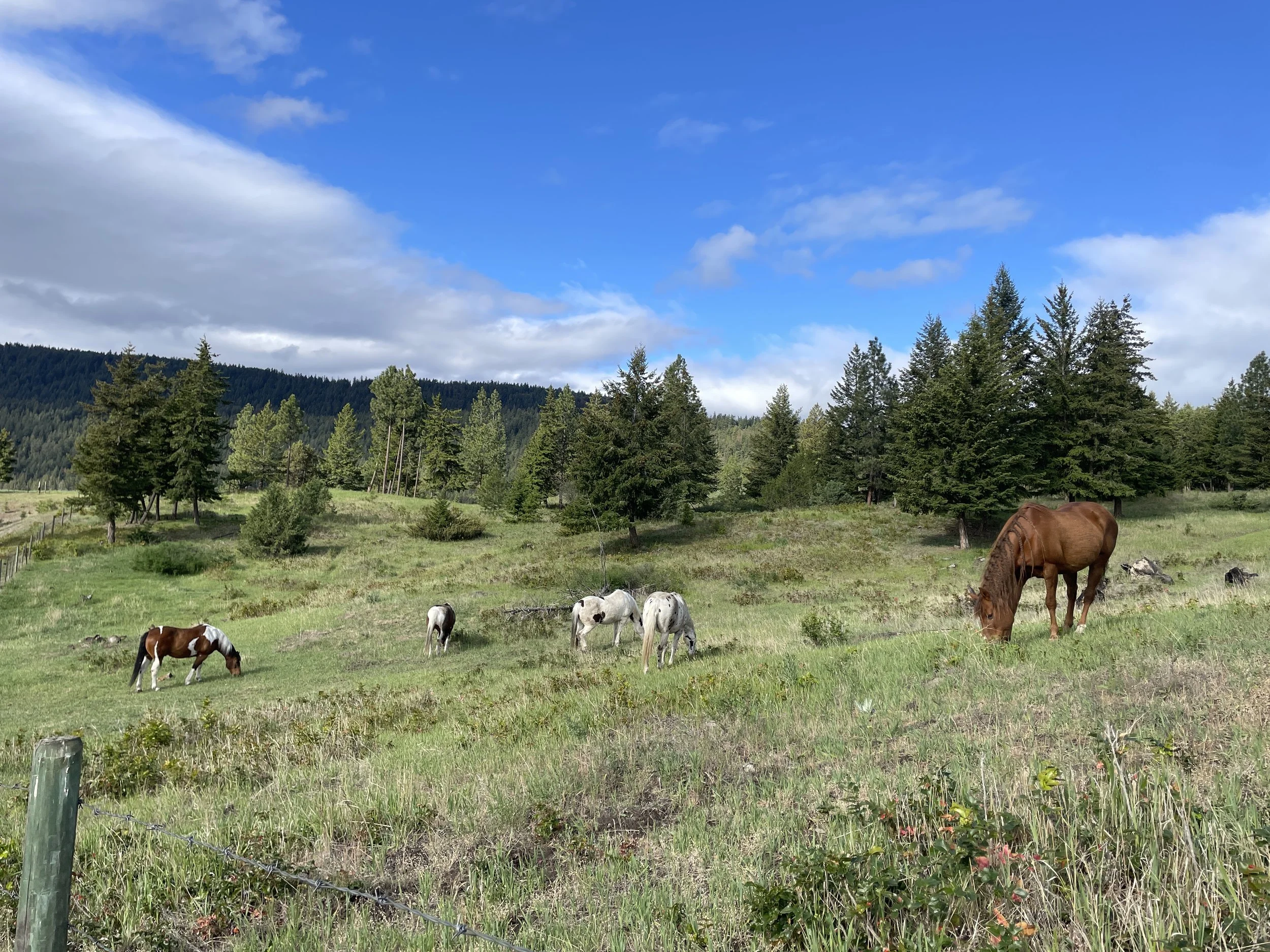
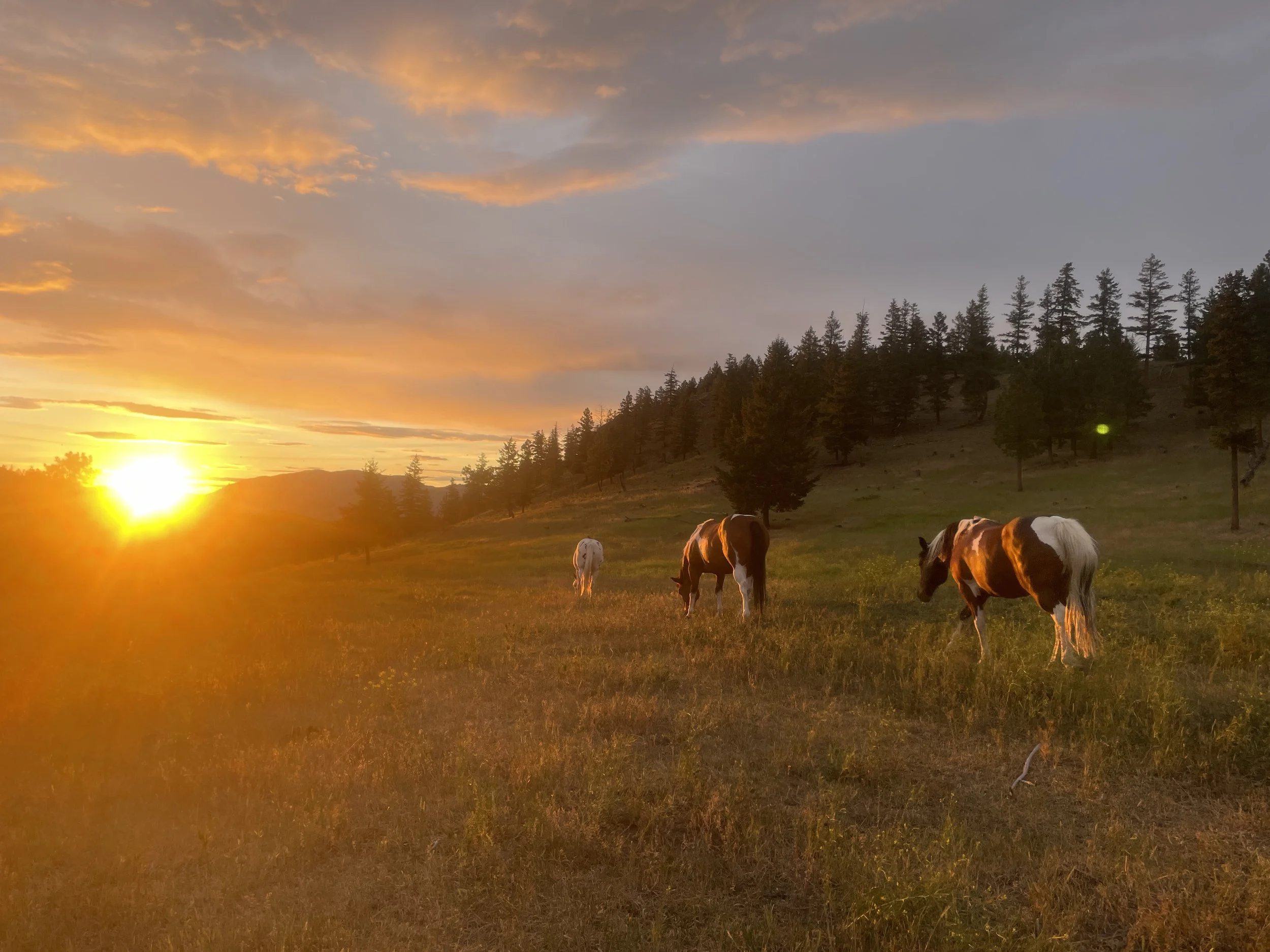
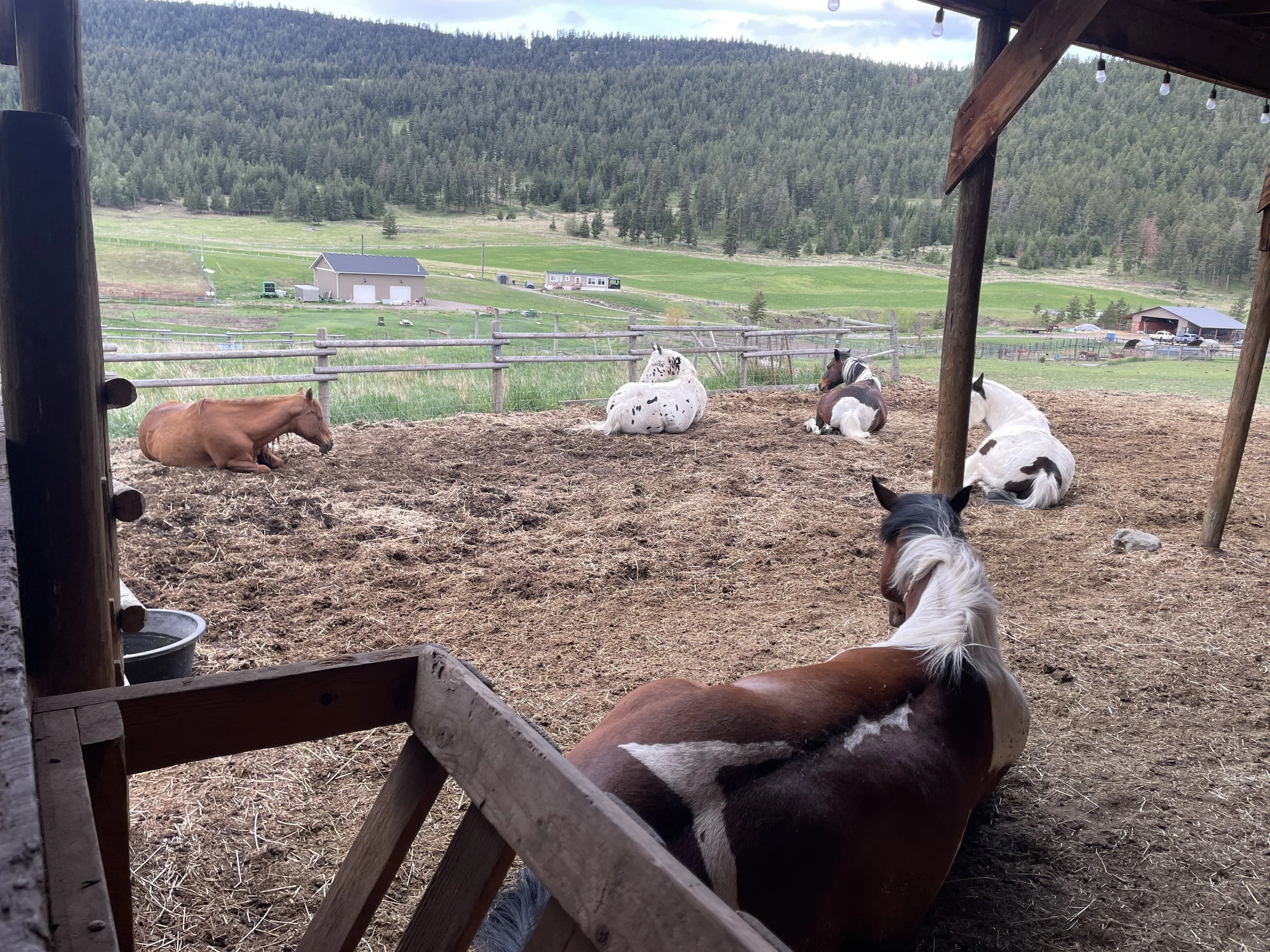
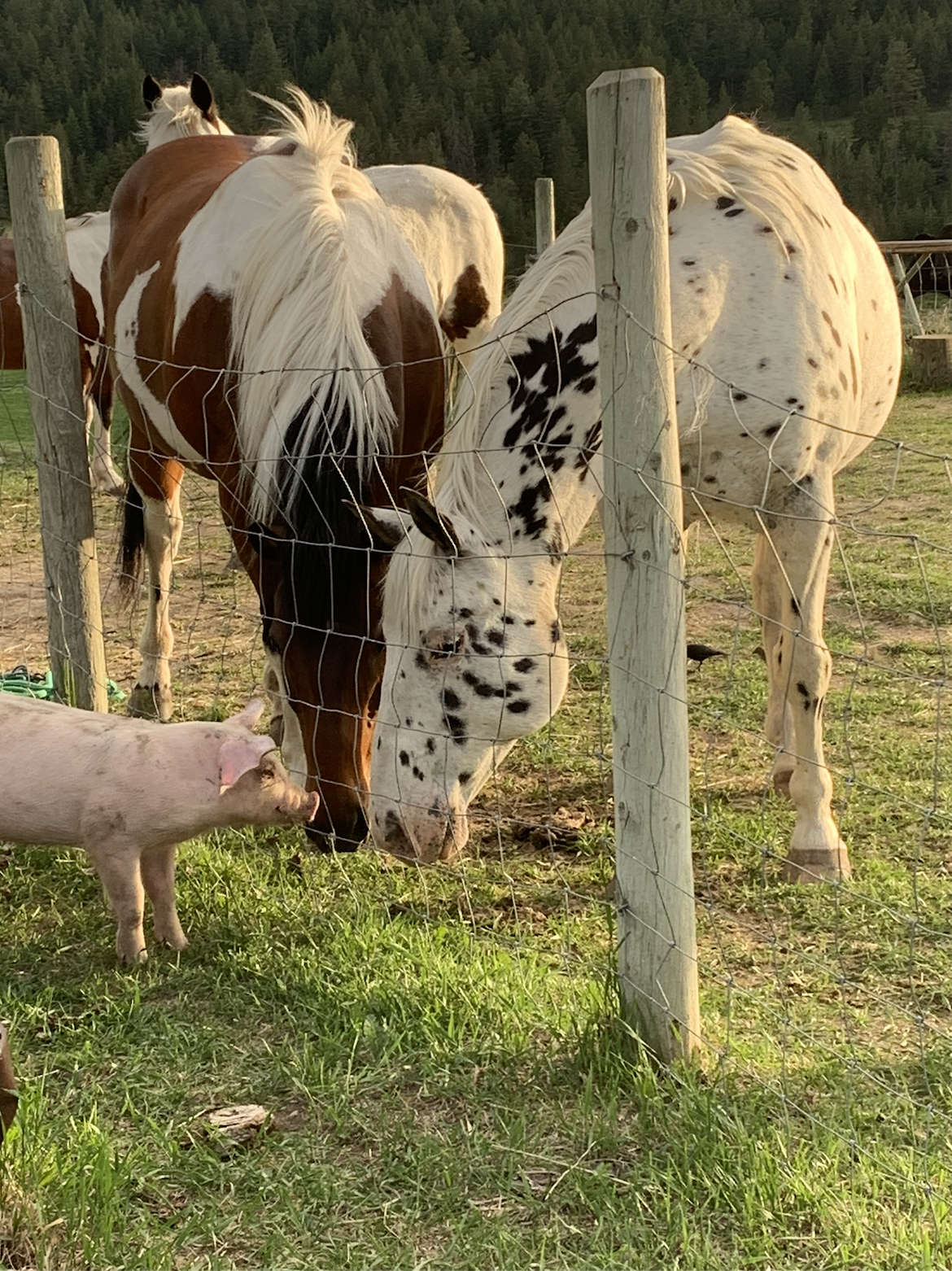
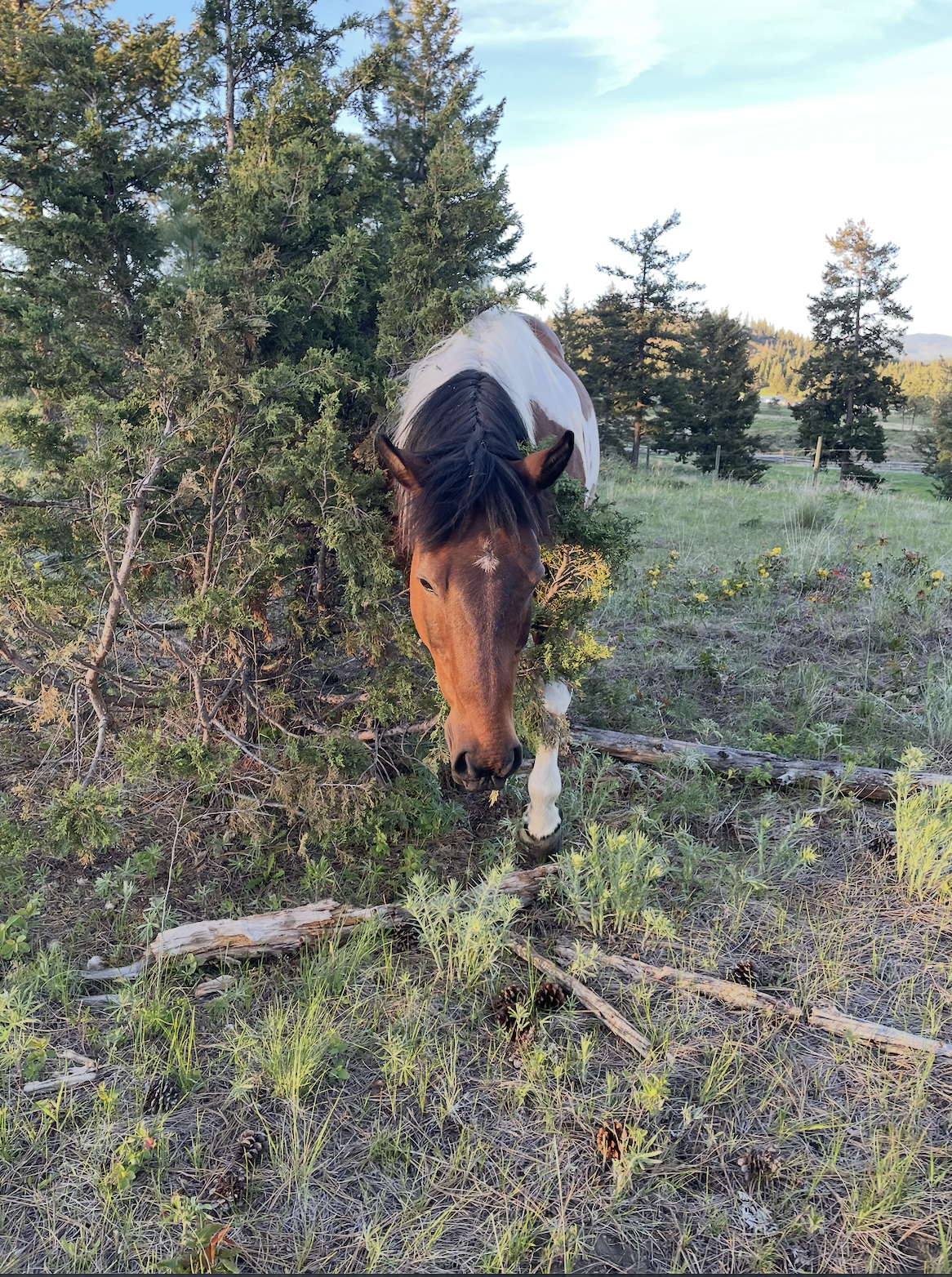
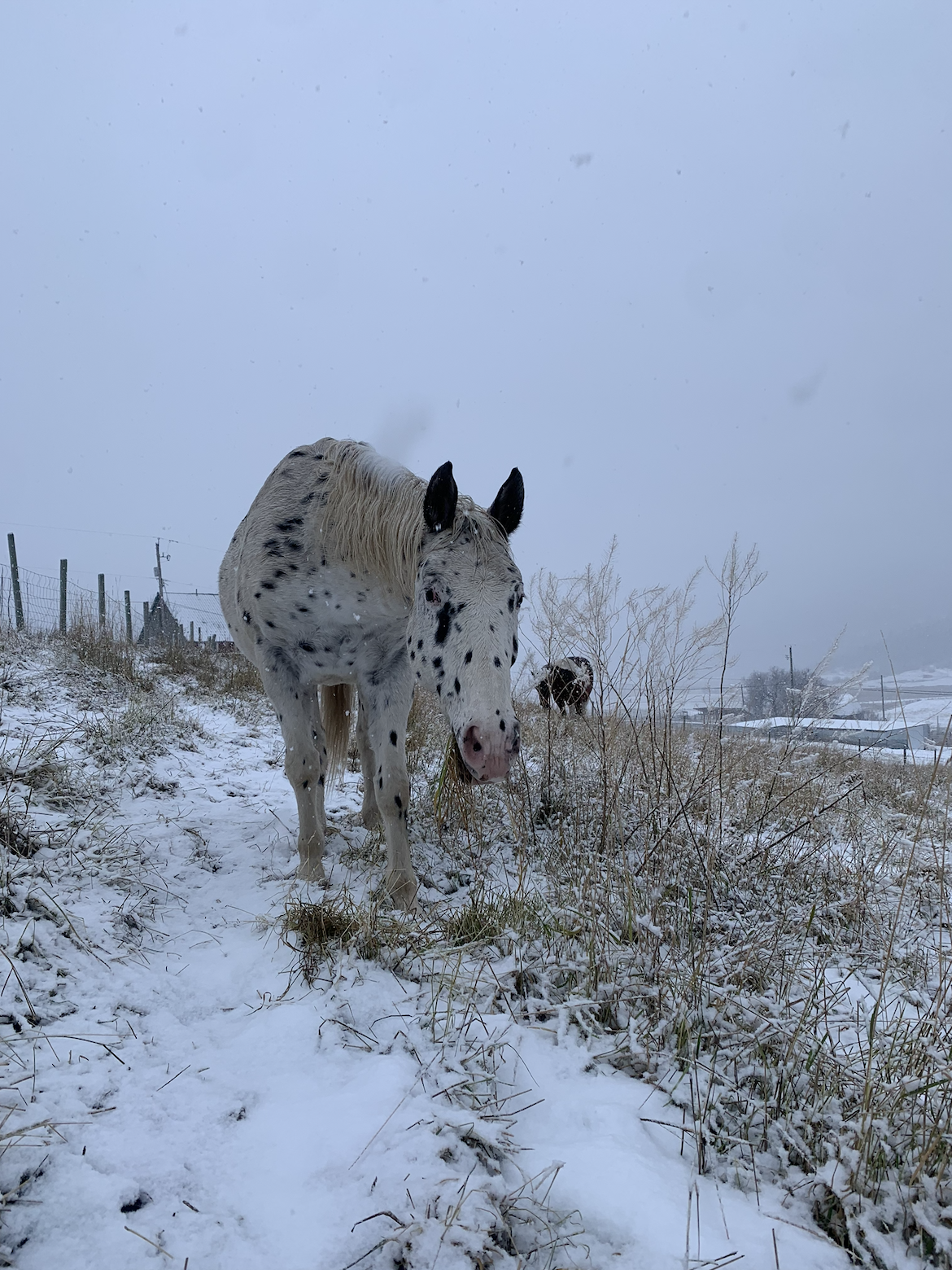
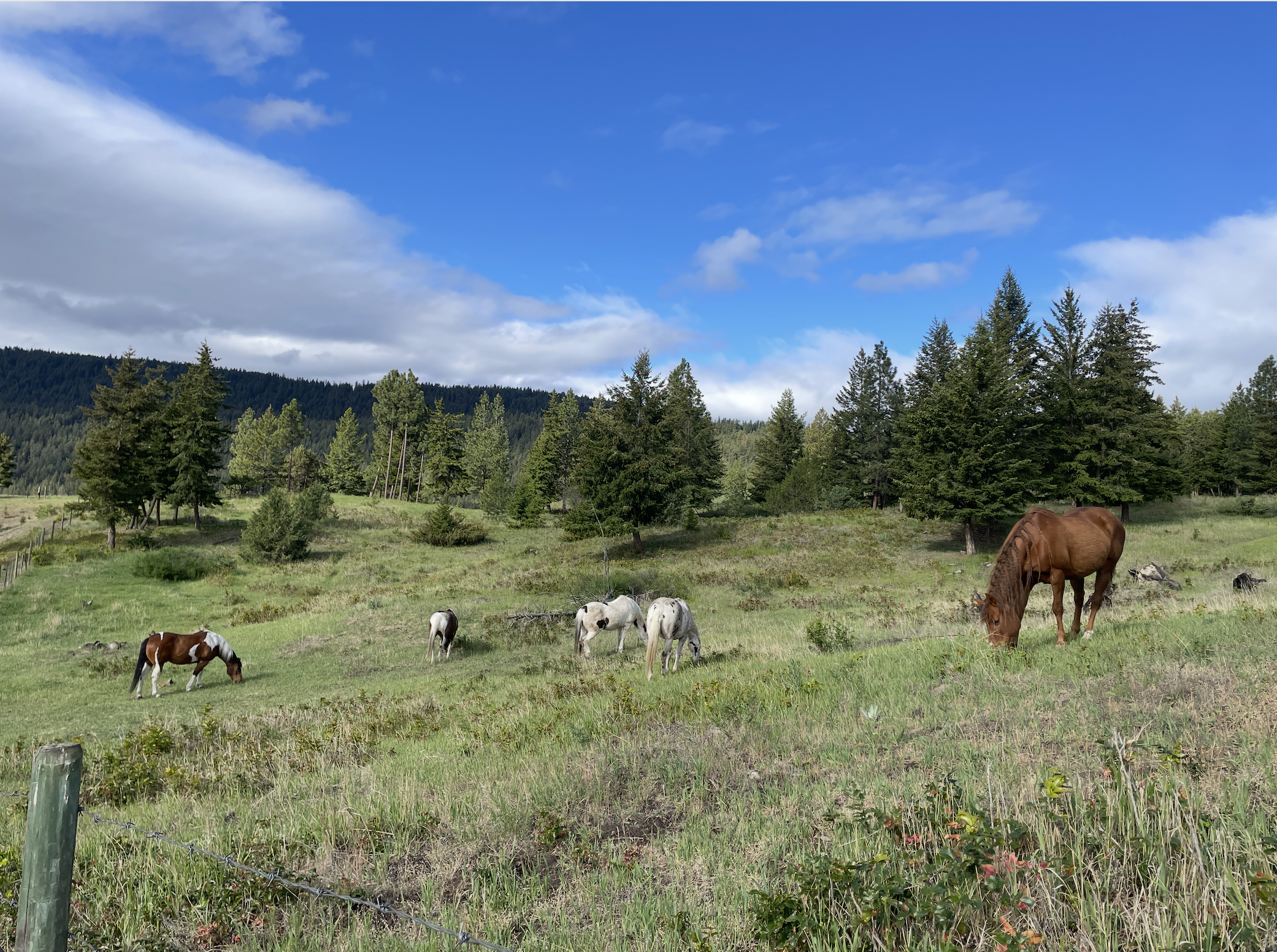
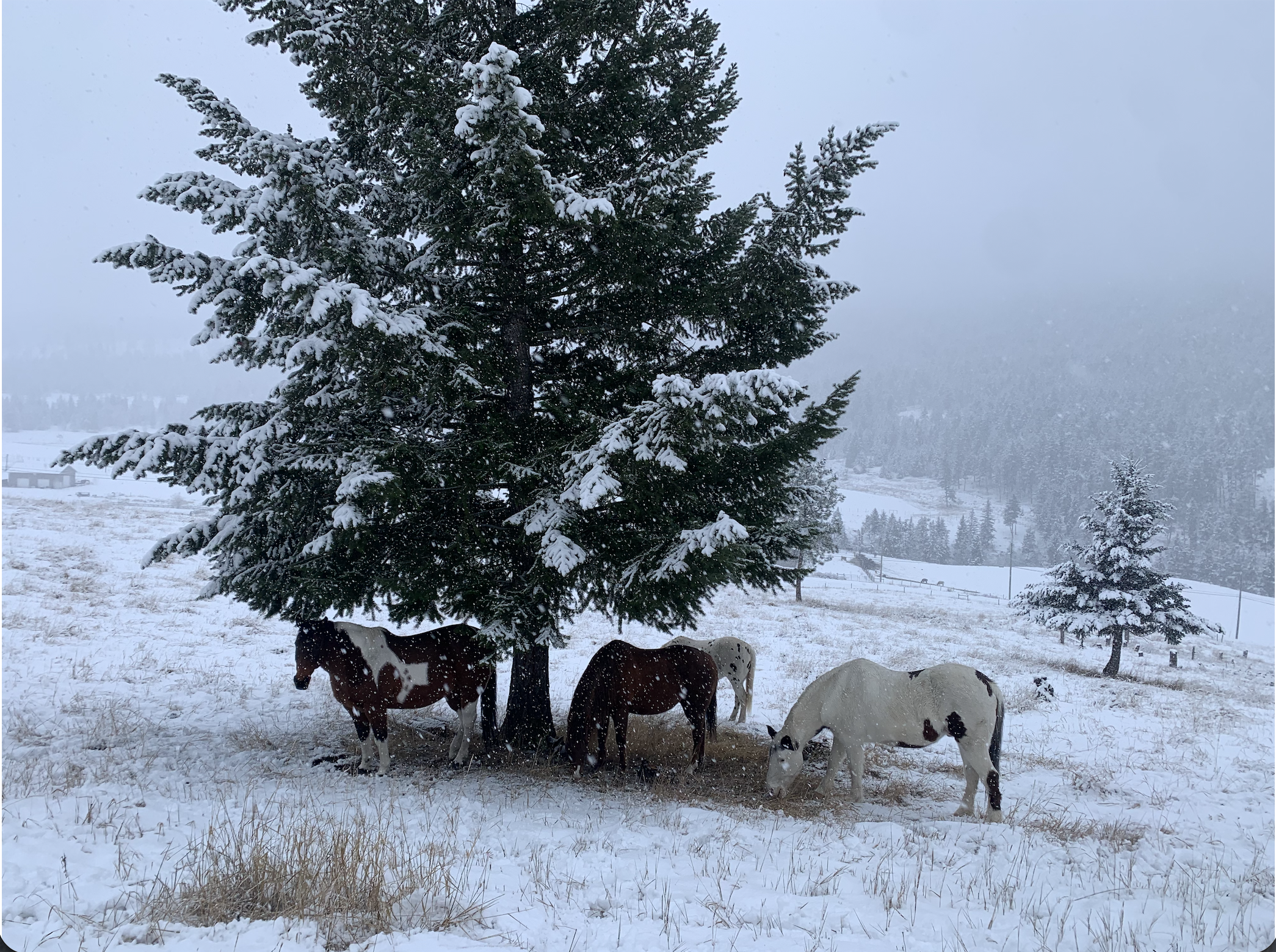
Horse people often say that for a horse to truly thrive, it needs the three F's: Friends, Forage, and Freedom (or Fields). Horses need social connection with their herd, access to grazing, and space to move, roam, and express their natural behaviors. In many ways, these three elements form the foundation of a horse's life cultivation.
Horses are also highly sensitive animals with nervous systems designed to detect danger. As prey animals, they are constantly balancing states of vigilance, flight, freeze, and relaxation. A significant part of supporting a horse's health involves helping it regulate its nervous system and creating conditions where it feels safe enough to rest, digest, connect, and thrive.
Humans are not so different.
Like horses, we need connection. We are social beings who thrive when we feel supported, seen, and part of a community. Like horses need forage, we need nourishment—not only food, but also meaningful experiences, purpose, beauty, and things that replenish us. And like horses need freedom and space to move, our bodies require movement, fresh air, sunlight, nature, and opportunities to explore and express ourselves.
We also share the need for a regulated nervous system. Much of modern life keeps us in a state of chronic vigilance—rushing, worrying, consuming information, and responding to endless demands. When we spend too much time in this state, we burn through our reserves, scatter our Yang Qi, and lose touch with our natural rhythms.
Perhaps our own version of the three F's is not so different:
Friends — connection, belonging, and healthy relationships.
Forage — nourishment for body, mind, and spirit.
Freedom — movement, play, rest, nature, and space to simply be.
When these foundations are in place, our nervous systems settle, our internal resources are preserved, and life can move through us with greater ease. This, too, is life cultivation.
Watching horses becomes a life cultivation practice in itself. Through observation, we learn:
How posture reflects inner state
How tension appears before symptoms
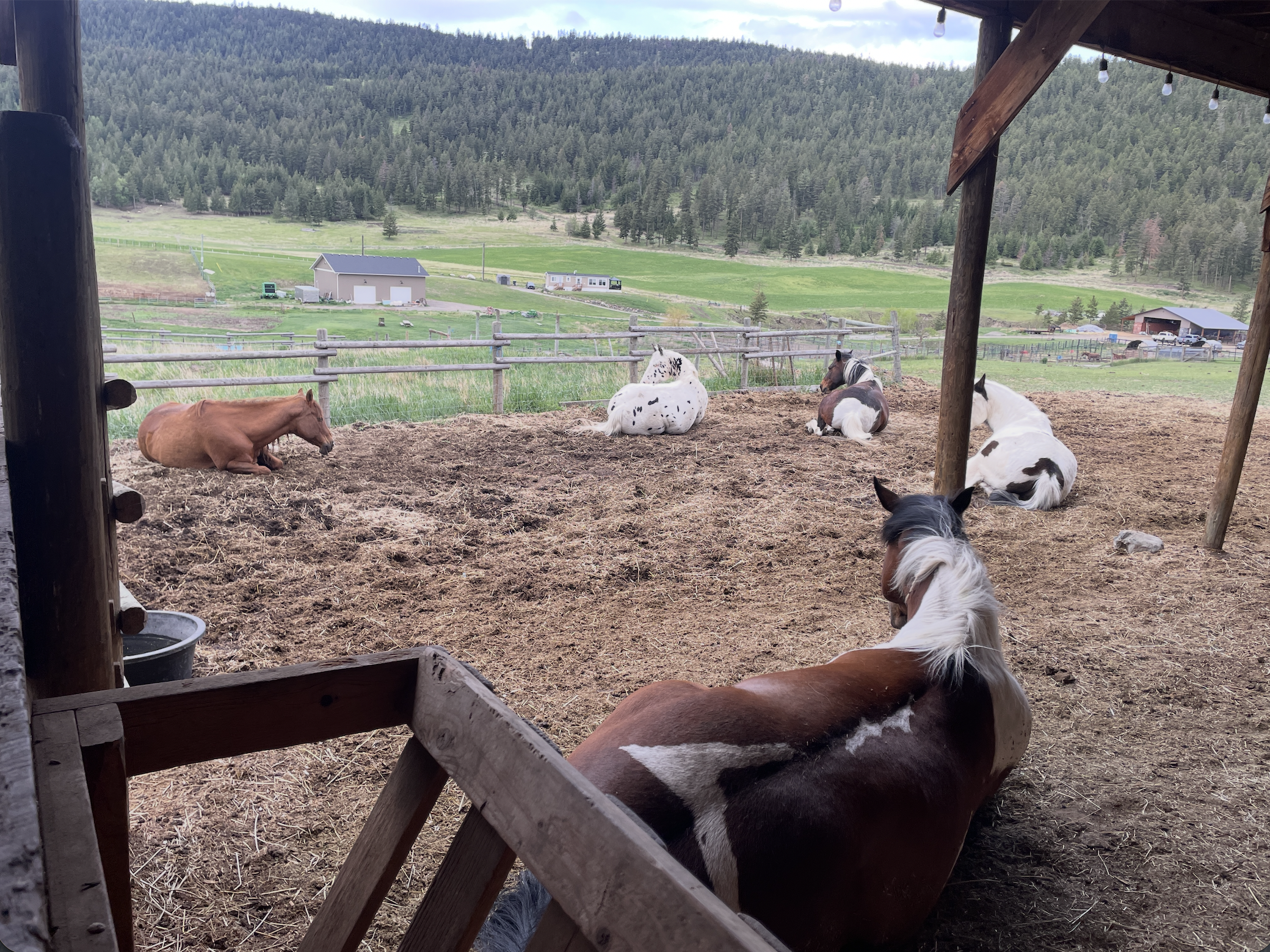
How rest can be grounded and alert
How movement restores order rather than depleting energy
Horses also act as mirrors. They respond not to what we say, but to what we carry. Around them, people often experience softer breathing, reduced tension, and a quieter internal state. This is not instruction—it is regulation through presence.
In this way, horses become teachers, revealing both where tension is held and how easily it can release when conditions are right.
Where this leads…
From here, life cultivation becomes practical and personal:
Learning to read the signs of your own body
Tracking Yang Qi—its rise, circulation, descent, and storage
Understanding why grounding, warmth, and release matter more than effort
How Horses Teach Us About Tension
Tension in the body is equal to tension in the mind.
Horses speak about tension without words.
As prey animals, horses are exquisitely sensitive to their environment. They register change instantly—sound, movement, intention—and respond without delay. What makes them such powerful teachers is not their ability to activate, but their ability to release.
When a horse is startled, it does not suppress the response. It runs if needed. Then it stops. It shakes. It exhales. It shifts its weight. And it returns to grazing or rest.
What Horses Reveal About the Human Body…
Horses show us that tension itself is not the problem. Unresolved tension is. Patterns of unresolved tension are the problem.
Horses also demonstrate that tension is not primarily mental—it is somatic. Their communication happens through posture, muscle tone, breath, and movement. The mind follows the body, not the other way around.
This is a crucial lesson for life cultivation.
If the body remains tense, the mind cannot fully settle. If the body is allowed to release, the mind follows naturally.
Being With Horses as Regulation…
Horses respond to what is present, not to what is performed. They mirror incoherence and calm alike. In their presence, the body is invited back into honesty.
Horses teach us that:
Regulation is physical before it is mental
Release restores order more effectively than control
A body that completes its stress response does not remain depleted
In this way, horses quietly remind us of something the body already knows: tension is meant to move through us—not live in us.
Learning Balance by Watching Horses at Liberty…
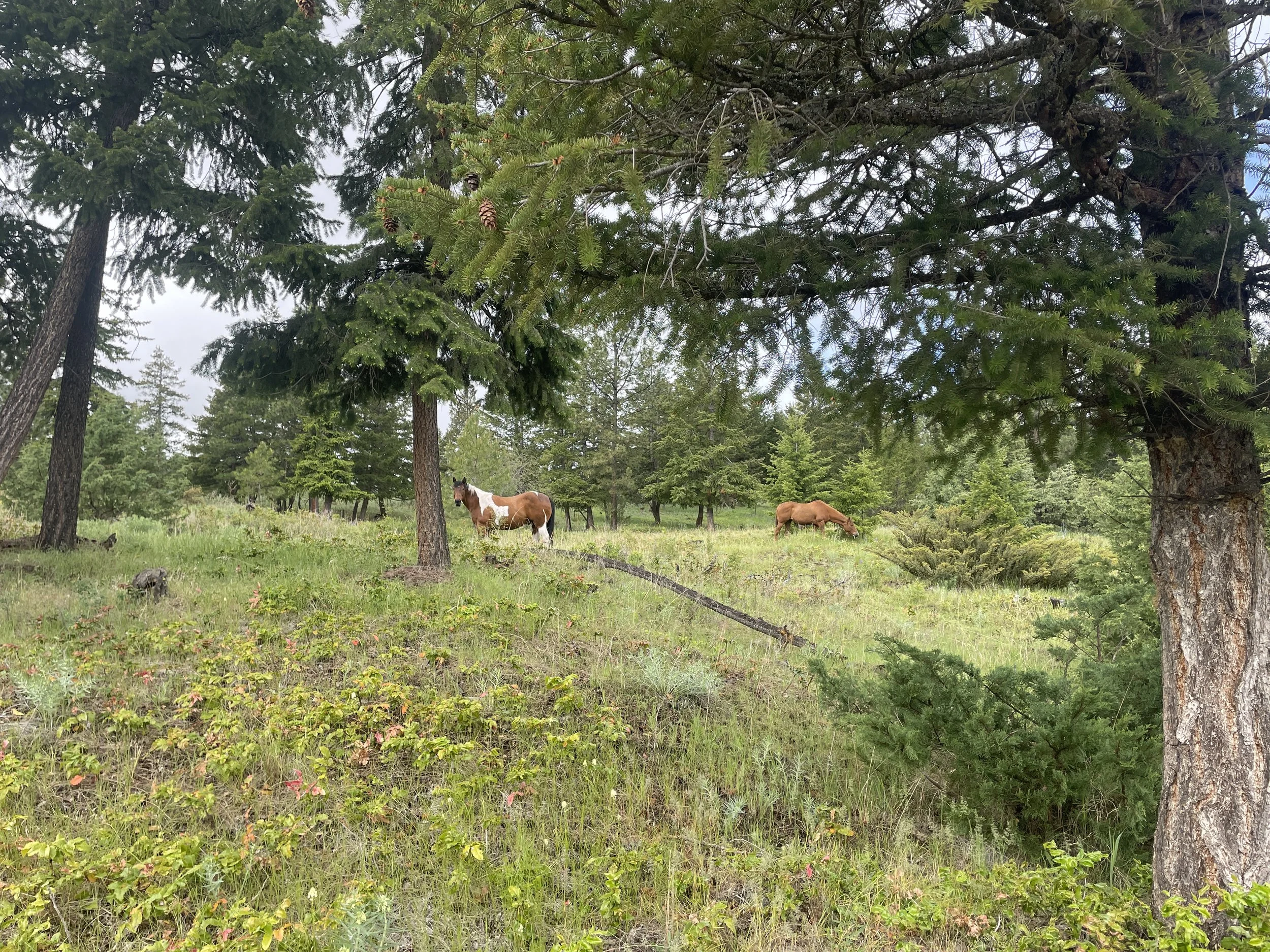
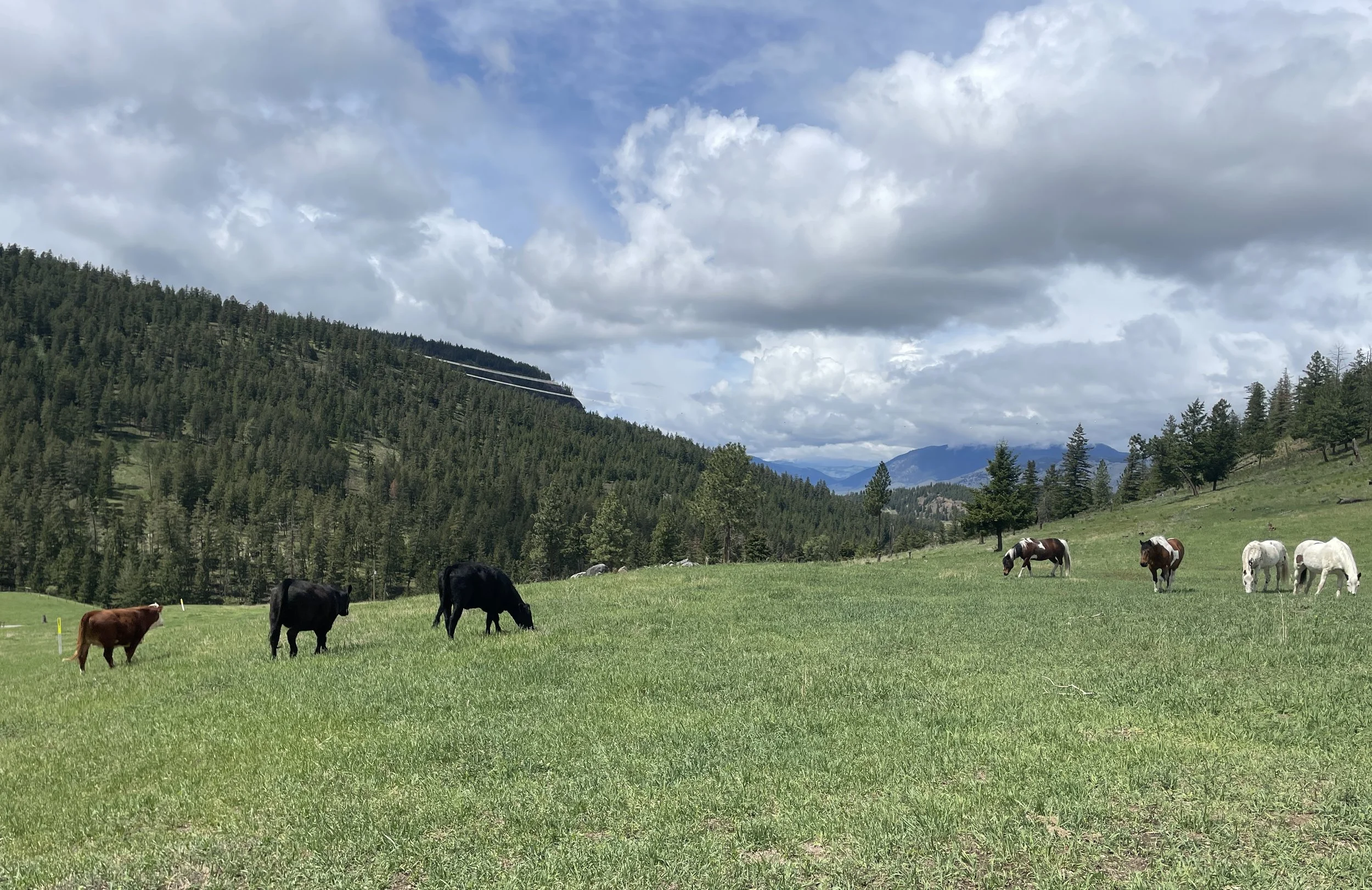
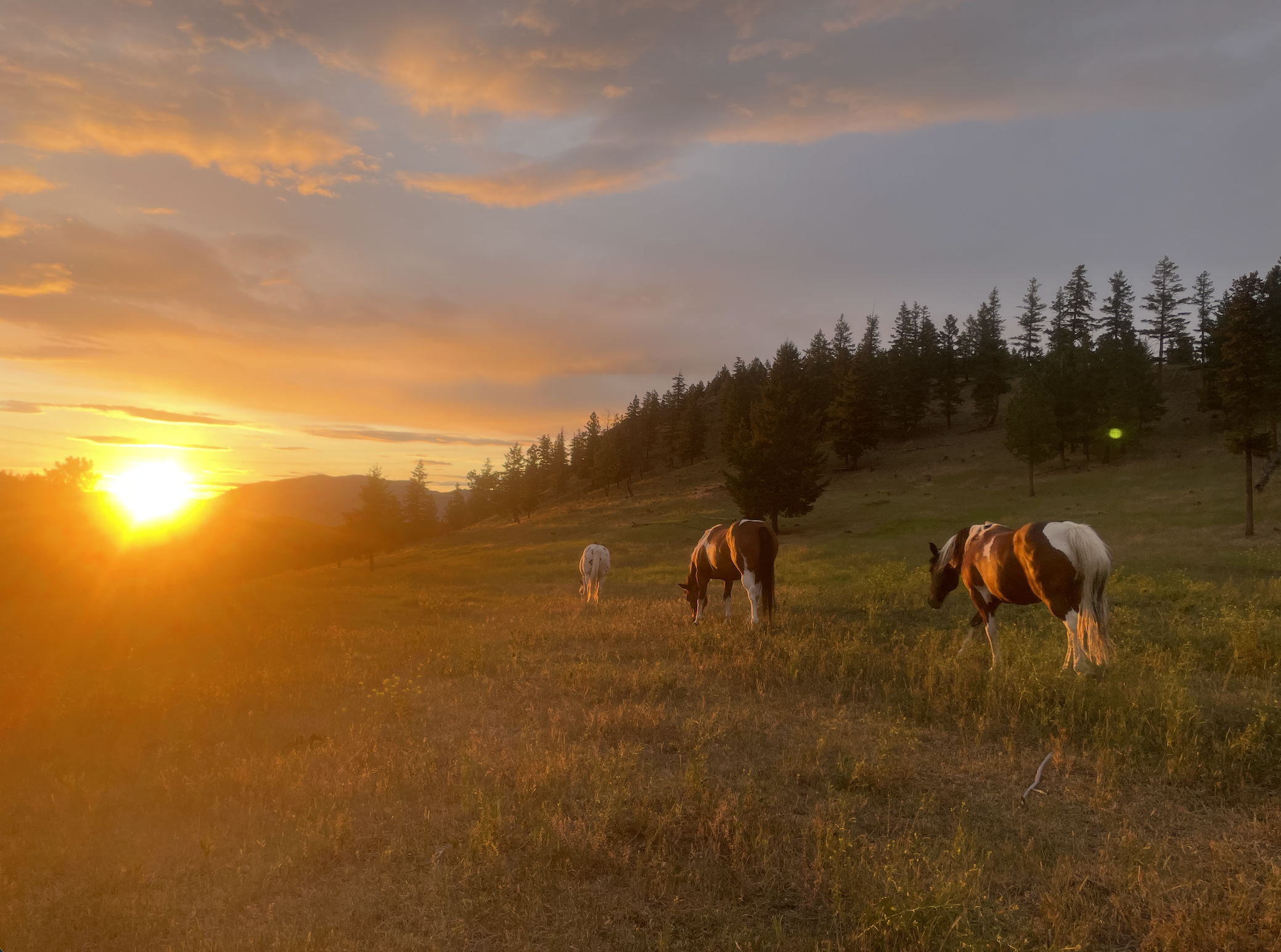
Watching horses in a large, open, free-forage pasture offers a quiet lesson in balance.
In this environment, nothing is forced. Horses move when they need to move, stop when they need to stop, graze, rest, stand alert, lie down, shift position, and rejoin the herd. Activity and stillness arise naturally and pass just as naturally.
There is no constant effort to be one thing.
Balance here is not symmetry or control—it is responsiveness. The horse adjusts moment by moment to weather, terrain, hunger, fatigue, and the subtle movements of the herd.
This offers an important mirror for human life cultivation.
Health does not come from being calm all the time, productive all the time, or rested all the time. It comes from the ability to move between states—to engage and withdraw, to act and recover, to warm and cool, to rise and settle.
In a free-forage pasture, horses show us that balance is dynamic:
Movement is followed by rest
Alertness is followed by softness
Tension appears briefly, then dissolves
Energy circulates, then returns to ground
Many modern humans live without this spaciousness. Constrained schedules, constant stimulation, and internal pressure narrow our range. We become stuck in partial states—always alert, always pushing, always holding.
Watching horses in open space reminds us what balance actually looks like in a living system: not perfection, but room to adjust.
Life cultivation, from this perspective, is not about copying the horse’s life. It is about restoring enough internal space—physically and mentally—so the body can regain its own capacity to self-balance, just as nature intended.